

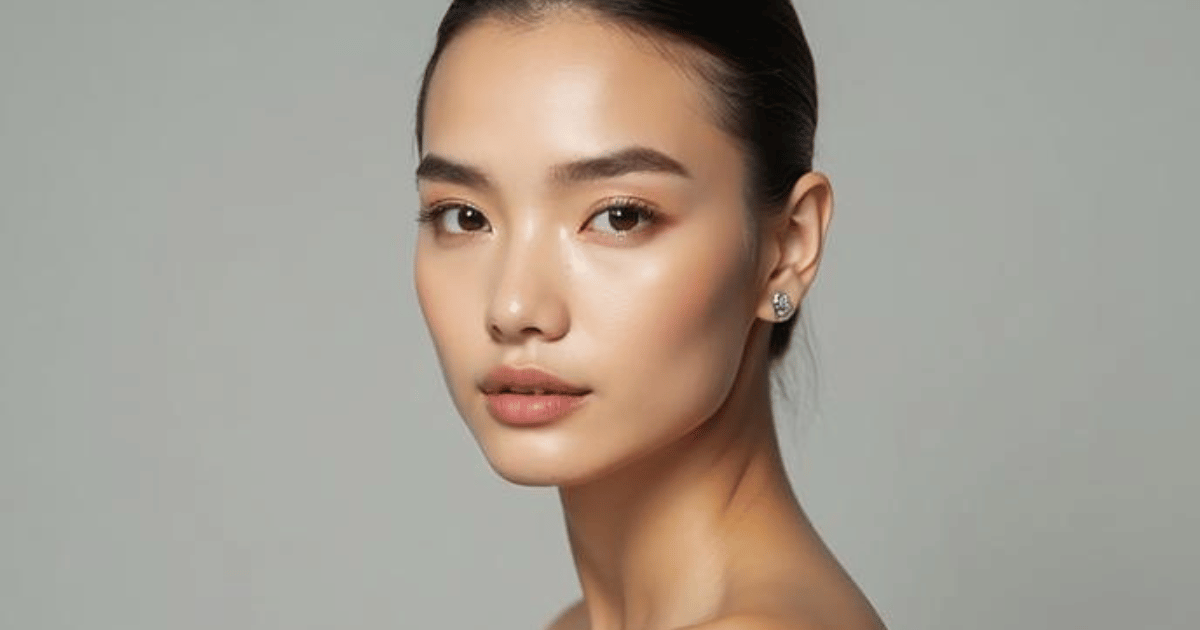
Flat brows often happen when color, texture, and depth are missing from the makeup technique. The goal of multi-dimensional brows is to mimic natural hair variation by layering tones, textures, and directional strokes so the brows look soft, lifted, and realistic instead of stamped-on or overly filled.
This guide breaks down how to create that effect step-by-step using simple techniques and the right product layering strategy.
Understanding Why Brows Look Flat
Flat brows usually come from using only one shade, one texture, or applying product in a single dense layer. Natural brows, however, have subtle shifts in color and density.
When brows lack dimension, they can appear harsh or artificial, especially under natural lighting. The key is to recreate natural hair variation through thoughtful product placement.
The Foundation of Multi-Dimensional Brows

To build natural-looking brows, you need a base that supports both longevity and softness. This is where preparation becomes essential.
Start by applying a lightweight base that helps grip product while maintaining flexibility. A product like Prime Me™ Brow Primer helps improve adhesion so pigments layer more evenly and last longer throughout the day.
This step ensures your brow makeup doesn’t slide or fade unevenly, which is critical for achieving natural texture balance.
Step 1: Create a Soft Base Shape
The first layer should never be too harsh. Instead of drawing a heavy outline, build a soft structure that follows your natural brow shape.
Use a fine precision tool like the Exacto Brow Pencil™ to create light, hair-like strokes. Focus on sparse areas first rather than outlining the entire brow.
The goal here is controlled softness—you want shape without losing natural movement or flow.
Step 2: Add Depth with Layered Pigment
This is where dimension truly begins. Natural brows are never one flat color—they have variation in tone from front to tail.
Start lighter at the front of the brow and gradually build deeper pigment toward the tail. This gradient effect creates a more realistic appearance. You can also lightly stamp in areas using The Brow Stamp™ Kit for soft fullness, then refine with pencil strokes for definition.
This layering approach is what transforms brows into visually fuller yet natural-looking features.
Step 3: Enhance Texture for Realism
Texture is what separates drawn brows from natural ones. Without it, brows will always look flat no matter how well shaped they are.
Brush brows upward and outward using a spoolie or gel to separate pigment slightly and mimic real hair direction. A product like Laminate Me® Brow Gel helps hold that lifted structure while maintaining a natural finish.
Avoid over-combing—too much smoothing removes the dimension you just built. This step creates soft movement and believable brow hairs instead of a solid block of color.
Step 4: Define Without Overloading
Definition should enhance structure, not overpower it. Instead of adding more product everywhere, focus on strategic enhancement.
Use a small amount of Define Me™ Brow Highlighter under the arch to subtly lift the brow bone. This adds contrast, which naturally increases the perception of depth. Highlighting and shaping together create a subtle optical illusion of lifted, multi-dimensional brows without heavy makeup.
Step 5: Lock in Dimension Without Stiffness
Setting is crucial, but over-setting can flatten all your work. The goal is hold without rigidity.
Lightly mist with Set Me™ Oil Control Setting Spray to lock in makeup while reducing shine that can make brows look flat under lighting. If you prefer a more radiant finish, Set Me™ Illuminating Setting Spray adds a soft glow while maintaining structure.
This step ensures your brows stay defined, flexible, and natural-looking all day.
Step 6: Maintain Lift and Shape Throughout the Day
Brows naturally shift throughout the day due to skin oils, movement, and environment. Maintaining dimension requires light touch-ups rather than full reapplication.
A quick brush-through with Laminate Me®+ Brow Gel Serum can refresh shape while also supporting brow health over time. It gives hold while keeping brows soft and flexible.
This helps preserve the multi-dimensional effect without buildup or heaviness.

How Lighting Affects Brow Dimension
Lighting plays a major role in how brows are perceived, and it’s often the reason brows that look perfect in the mirror suddenly appear flat in photos or natural daylight. Harsh overhead lighting can wash out subtle tones, while soft natural light reveals every detail of your layering technique.
To keep brows looking naturally dimensional in any setting, focus on building slight contrast between the front, middle, and tail of the brow. This variation ensures that even when lighting shifts, your brows still show depth and texture instead of appearing as one solid shade.
This is also where products with buildable formulas make a difference. Lightweight textures allow you to adjust intensity without losing the natural flow of hair-like strokes, helping your brows stay realistic across different environments.
Common Mistakes That Flatten Brows
One of the most common mistakes is using a single product or shade across the entire brow. While this may look neat at first, it removes natural variation and creates a stamped or block-like effect that lacks realism.
Another mistake is over-blending. While blending is important, too much can blur the individual strokes that create dimension, making the brows look soft but lifeless. The goal is controlled blending that preserves structure while softening edges.
Overloading product is also a key issue. Heavy application can weigh down brow hairs and reduce lift, especially when using gels or pomades. Instead, focus on light layers that build gradually. This approach helps maintain natural texture, movement, and long-lasting dimension without stiffness or buildup.
The Secret to Natural Dimension
Creating natural-looking brows is not about adding more product—it’s about layering strategically with intention. Every step in your routine plays a role in building depth, softness, and realism, and skipping even one layer can make brows appear flat or overly uniform instead of naturally dimensional.
The most realistic brows are created when you think in terms of hair patterns rather than makeup coverage. That means using lighter pressure, varying tones slightly, and placing product where real hair would naturally grow. This approach helps avoid the “filled-in block” effect and instead mimics the subtle irregularity found in real brows.
When you combine proper prep, soft shaping, tonal layering, and flexible hold, you create a system that works with your natural brow structure instead of covering it up. Prep helps product adhere evenly, shaping builds structure without harsh lines, layering adds natural variation, and flexible hold ensures everything stays in place without stiffness.
Over time, this technique shifts how your brows look even up close and in natural light. They stop appearing drawn-on and start looking like they naturally grew fuller, softer, and more balanced. The result is a multi-dimensional brow effect that enhances your features without ever looking heavy or overdone.


